


Every year, the holiday season hits retailers like a tidal wave of unpredictable demand, volatile supply chains, and customer expectations that never stop rising. The industry calls it peak season, but we see it for what it really is: the ultimate stress test. This is when retail operations either bend gracefully or crack under pressure. And increasingly, the difference comes down to one thing: real-time visibility.
At ObjectSpectrum, we help retailers eliminate the guesswork that has defined the holiday rush for decades. With IoT, retailers don’t just get more data. They get the right data, at the right time, to make the right decisions. During the busiest season of the year, IoT consistently proves itself in five core areas: the storefront, the supply chain, fulfillment, shipping, and high-impact operational benefits that ripple across the entire business.
This is how holiday operations get smarter, smoother, and a whole lot more predictable.

1. The Smart Storefront: Where Holiday Chaos Meets Real-Time Control
The store floor is where the holiday season plays out in real time. Customers flood in, products move fast, and teams scramble to keep shelves stocked without overwhelming backroom chaos. IoT steps in by turning the store into an intelligent, responsive environment.
Real-time shelf monitoring keeps inventory visible down to the exact location and quantity. No more walking aisles with clipboards or discovering an empty shelf hours too late. IoT sensors tell staff what needs restocking, where it’s located, and how urgently customers expect it.
Smart inventory tags keep high-demand products trackable as they move through the store. When associates don’t have to guess where the last pallet of a top-selling product went, they work faster and serve customers better.
And then there’s the unsung hero – environmental monitoring. Holiday crowds heat up a space, and IoT keeps HVAC systems responding dynamically so stores stay comfortable. Temperature and humidity sensors also ensure sensitive products stay within their optimal ranges.
IoT turns the holiday storefront into a controlled system rather than a seasonal gamble. It gives retailers something they’ve rarely had during peak demand – time to react before problems become losses.
2. Smarter Supply Chains: Because Guessing Isn’t a Strategy
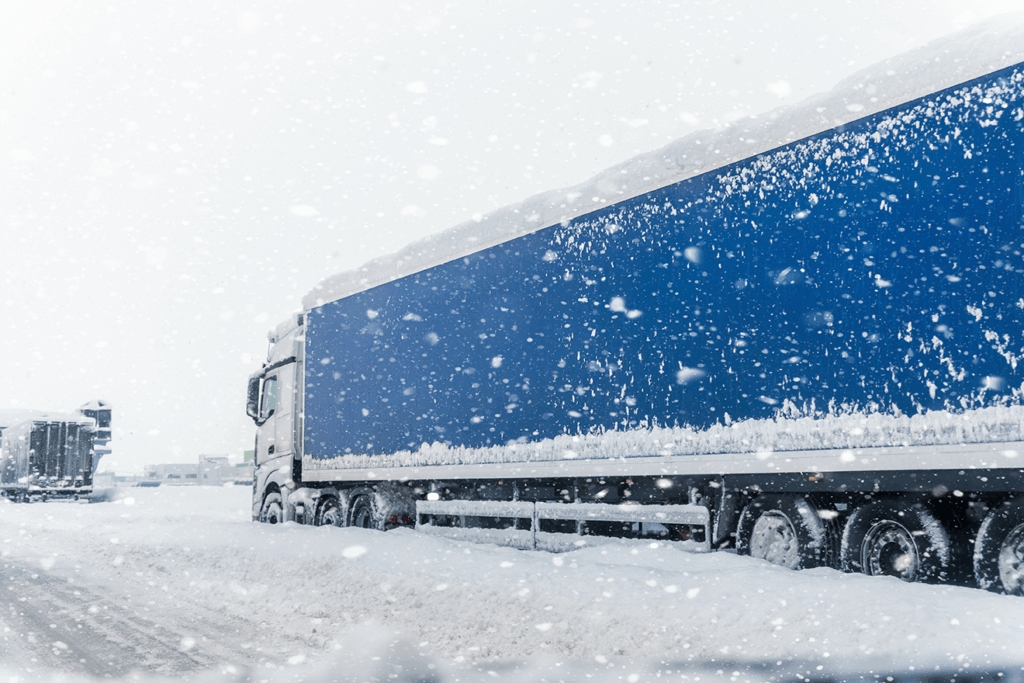
Holiday supply chains are notoriously unpredictable. Weather shifts, transportation delays, and sudden spikes in demand can ripple across an entire operation. Traditionally, retailers deal with this by over-ordering, over-staffing, and hoping for the best.
IoT replaces the reactive model with a predictive one and provides real visibility.
End-to-end tracking means retailers always know where their inventory is. Whether it’s still at a supplier’s dock or stuck behind a snowstorm two states away, you’ll know exactly where to look. That visibility powers accurate delivery windows, more precise planning, and fewer emergency workarounds.
Predictive maintenance for fleets keeps trucks on the road during the most critical part of the year. Sensors identify failing components before they cause breakdowns. Downtime becomes the exception, not the rule.
For cold-chain goods, temperature sensors monitor conditions in real-time during transport by sending alerts the moment something drifts out of range. Instead of discovering ruined inventory upon arrival, retailers can intervene while it’s still salvageable.
Supply chains work best when surprises are minimized, and IoT reduces the number of surprises dramatically. The holiday season becomes less about reacting and more about managing.

3. Order Fulfillment That Keeps Up
Online sales surge during the holidays, and customers expect lightning-fast order fulfillment. Slowdowns aren’t just inconvenient. They lead directly to cancelled orders and damaged brand loyalty.
IoT gives fulfillment centers the tools they need to scale on demand.
Asset tracking ensures equipment, such as forklifts, carts, containers, and scanners, are always where they need to be. A misplaced pallet jack during peak hours becomes a drag on efficiency, and IoT removes those micro-delays that quickly add up.
Smart automation keeps picking, packing, and staging optimized. Sensors capture real-time movement patterns so managers can understand bottlenecks and reorganize workflows to remove friction.
For retailers that offer in-store pickup, real-time order status tracking ensures products flow seamlessly from the warehouse to the pickup counter. When the staff knows exactly when orders are ready, customers don’t wait in long lines or get hit with unexpected delays.
The entire fulfillment process becomes transparent and responsive. Instead of playing catch-up, retailers stay one step ahead. Even during peak shopping weekends.

4. Shipping and Last-Mile Delivery: Transparency Customers Notice
The last mile is where holiday margins shrink or grow. Failed deliveries, damaged products, and inaccurate ETAs cost retailers more than they like to admit. IoT tightens the entire last-mile pipeline.
GPS-enabled trackers give retailers and customers accurate, real-time delivery information. No more vague “your package is on the way” messages. Customers see where their order is, when it will arrive, and what’s happening in transit.
When packages contain temperature-sensitive or fragile items, condition monitoring sensors track humidity, shock, and tilt. Retailers know immediately if something goes wrong, and they have the data to resolve quality issues before they become customer complaints.
For retailers operating their own fleets, IoT keeps drivers on efficient routes and provides live diagnostics that reduce breakdowns during the busiest delivery season of the year.
Shipping becomes a source of confidence instead of a risk factor. Customers feel informed, and retailers operate with a level of control they’ve never had before.

5. Additional Wins: IoT’s Holiday Benefits Go Beyond Operations
The most valuable impact of IoT isn’t just operational. It’s strategic.
Labor productivity increases because teams aren’t wasting time searching for inventory, guessing order status, or performing unnecessary manual checks. During the holidays, this translates directly into more throughput without more overtime.
Shrinkage drops as IoT creates real-time visibility into product movement, storage conditions, and access points. Retailers finally get ahead of theft, loss, and damage. Those are the issues that historically get worse during peak season.
Customer experience improves because products are in stock, orders are accurate, and staff have the information they need to help customers faster. When customers feel taken care of, they come back.
And then there’s the long-term value. IoT systems capture historical data that informs next year’s holiday planning. Retailers walk into the next season with insights, not assumptions.
IoT turns the holidays into a predictable, manageable season instead of a stressful guessing game.
When you’re ready to turn your holiday retail chaos into a well-oiled machine, let us know. We’ll create the right solution to fit your business.